
Weed Wiper vs Traditional Spraying: Why Smart Australian Farmers Are Making the Switch
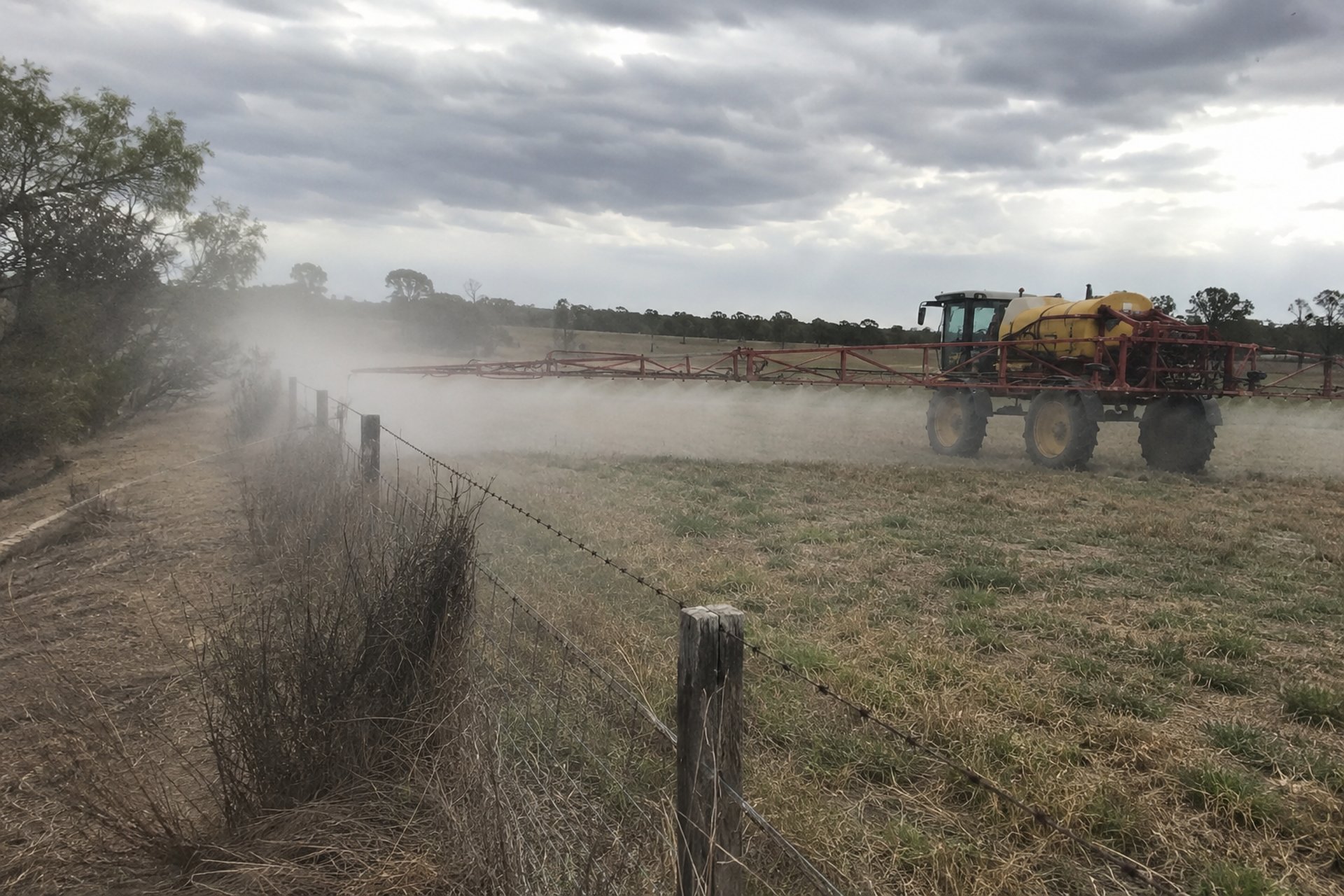
If you've ever watched a gust of wind carry your herbicide spray into places it was never meant to go — onto your pasture, into a waterway, or across your neighbour's fence — you already know the frustration of traditional spraying. Across Australia, farmers and property owners are quietly switching to a smarter, cleaner method of weed control: the weed wiper. But is it really better? And when does it make sense to use a rope wick applicator over a boom sprayer? Let's break it down properly.
6/11/20267 min read
What Is a Weed Wiper, and How Does It Work?
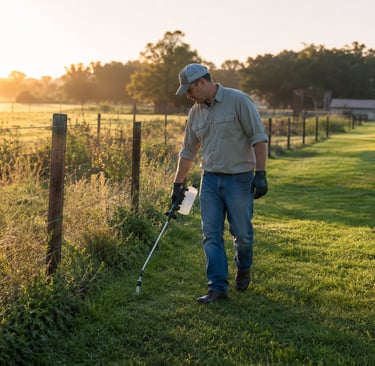
A weed wiper — also called a wick wiper, rope wick applicator, or herbicide wand — is a targeted weed control tool that applies herbicide directly to the plant through contact, rather than spraying it into the air.
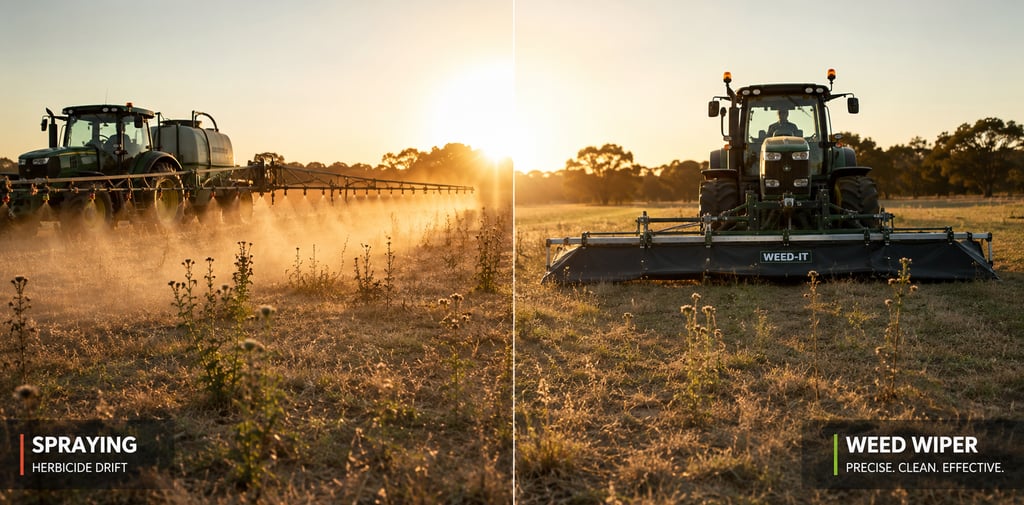
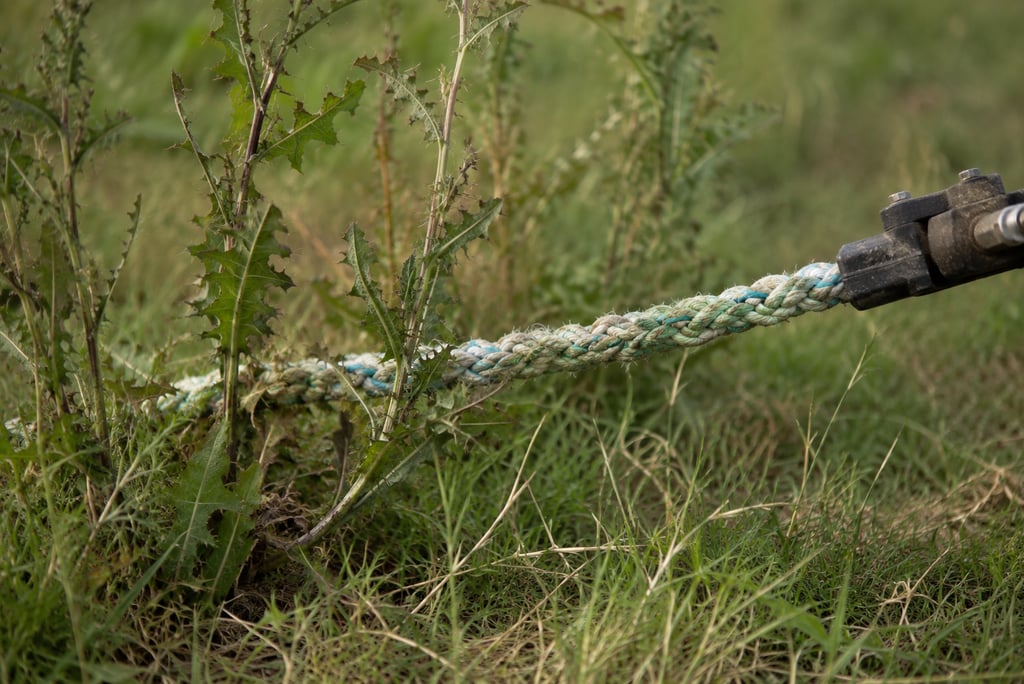
It works on a beautifully simple principle: weeds that grow taller than your surrounding crop or pasture grass get coated in herbicide as the wiper passes over them. The chemical transfers from a braided nylon rope or wick onto the weed's leaves and stems. The surrounding grass, sitting lower, never gets touched.
There are two main types you'll encounter in the Australian market:
• Handheld weed wipers — lightweight, portable applicators perfect for gardens, fence lines, and targeted spot treatment. Great for hobby farmers and small block owners.
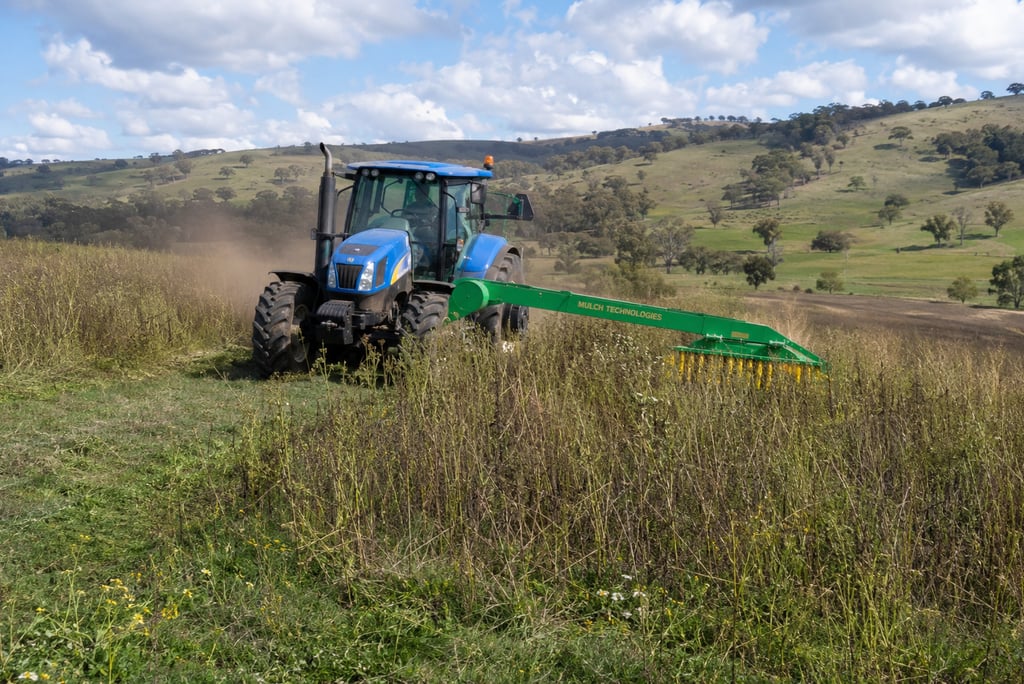
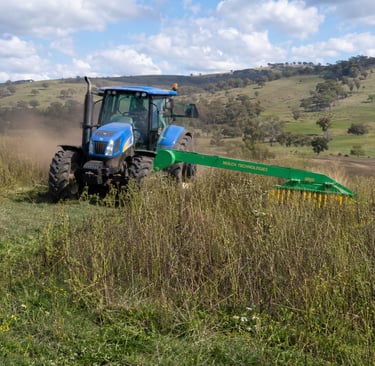
• Boom weed wipers — tractor-mounted units, typically 3 metres wide, designed for paddocks and larger grazing properties. These attach via 3-point linkage and can cover significant ground efficiently.
GroGlobal Distributors supplies both styles — including a well-built 3m boom weed wiper and a handy handheld herbicide rope wick applicator — to farmers and rural properties right across Australia.
The Problem with Traditional Boom Spraying
Don't get us wrong — broadcast sprayers are useful tools. They've been a staple of Australian farming for decades. But they come with real limitations that cost farmers time, money, and environmental goodwill:
1. Spray Drift
Herbicide particles in a fine mist are carried by even the slightest breeze. This is one of the biggest headaches in Australian paddock management. Drift can damage neighbouring crops, contaminate waterways, harm native vegetation, and put you on the wrong side of the EPA. In Queensland and other states, chemical drift incidents are taken seriously — and the cost of a mistake can be enormous.
2. Non-Selective Damage
When you spray an entire area, you're putting herbicide on everything — the weeds you want gone and the pasture grasses you've worked hard to establish. This can set back your paddock, reduce carrying capacity, and waste costly chemicals on plants you actually want to keep.
3. High Chemical Use
Broadcast spraying requires large volumes of diluted herbicide to cover an area. A weed wiper, by contrast, uses a highly concentrated solution applied only where it's needed. Some estimates suggest weed wipers can reduce herbicide consumption by up to 80% compared to broadcast spraying over the same area.
4. Weather Dependency
Most broadacre spraying needs a calm day with no forecast rain — a luxury that isn't always available in Queensland's unpredictable climate. Wind, heat, and imminent rain can all ground your spraying schedule. A weed wiper is far less sensitive to weather conditions.
Why Weed Wipers Are Gaining Ground in Australia
Australian farmers are nothing if not practical. The growing adoption of weed wipers isn't driven by trends — it's driven by results. Here's what's behind the shift:
• Cost savings on herbicide: Using concentrated glyphosate through a wick applicator is far more economical than diluted spray applications. You buy less product and waste less.
• No drift, no damage: Because there's no aerosol involved, there's zero risk of off-target chemical movement. You can wipe weeds metres away from your vegetable garden, near waterways, or on property boundaries without worry.
• Pasture-friendly: Taller weeds get coated; lower pasture grasses stay untouched. This is the defining advantage of the wick wiper method.
• Simple operation: There's no calibration, no nozzle selection, no pressure settings. Fill the reservoir, set the height, and get moving.
• Works on steep and uneven ground: Boom weed wipers with flexible height adjustment handle the undulating terrain common across Queensland and rural New South Wales far better than flat-optimised spray booms.
• Reduced environmental footprint: Direct-contact application means less chemical enters the soil and waterways — a real plus for farmers who take land stewardship seriously.
When to Use a Handheld Weed Wiper vs a Boom Wiper
Choosing between the two comes down to scale and situation:
Handheld Rope Wick Applicator
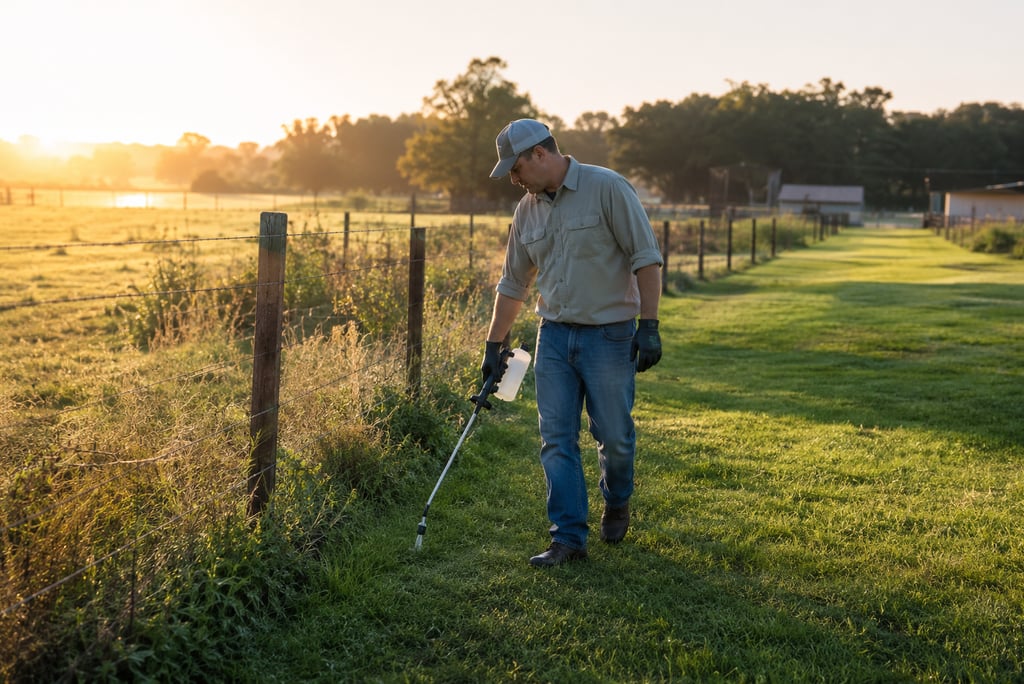
The handheld weed wiper is your best friend for smaller jobs. Think weeds popping up along your veggie patch border, scattered thistles in a paddock corner, grass invading your orchard rows, or problem plants near a dam. It's lightweight, easy to carry, and gives you precise control over where the herbicide goes. No pump, no pressure — just fill, wipe, and walk.
These are also popular with hobby farmers and lifestyle block owners who don't have the acreage to justify tractor equipment but still want a professional, low-drift solution for weed control.
3m Boom Weed Wiper
Once you're dealing with larger paddocks — think anything over a hectare where weeds are consistently overtopping the pasture — the boom wiper mounted on your tractor becomes the practical choice. A 3-metre boom covers ground quickly and the brass fittings, braided nylon rope wick, and steel mounting clamps on quality units make them genuinely durable working tools.
GroGlobal's 3m boom weed wiper includes brass nuts, braided nylon rope, and three steel mounting clamps built for real farm use — not lightweight alternatives that deteriorate after a season or two.
Getting the Best Results from a Weed Wiper
A weed wiper is straightforward to use, but a few practical tips will sharpen your results:
• Height matters: Set the wiper so it contacts weeds but clears the surrounding pasture. Most boom units allow adjustment — use it. Weeds should be at least 10-15 cm taller than your pasture at the time of treatment.
• Speed: Travel slowly — no faster than 8 km/h. Slower passes give better herbicide transfer and more thorough coverage.
• Double pass: For dense or patchy infestations, make two passes in opposite directions. This dramatically improves control rates.
• Concentration: Weed wipers use undiluted or near-undiluted herbicide. Follow the product label for wick application rates — it's usually a much higher concentration than spray rates.
• Weather: While wipers are far less weather-sensitive than sprayers, avoid applying in heavy rain or immediately before it. The chemical still needs contact time to work.
• Maintenance: Rinse the wick and reservoir thoroughly after use, particularly if switching chemicals. Braided nylon rope wicks are durable but benefit from basic care.
Are Weed Wipers Suitable for All Weed Types?
Weed wipers work best on weeds that grow taller than the surrounding vegetation — which, fortunately, describes the majority of problem plants in Australian pastures. Common targets include:
• Giant rats tail grass
• Thistles (variegated, Scotch, and nodding)
• Fireweed and ragwort
• Fleabane
• Sorghum (including Johnson grass and Columbus grass)
• Pattersons Curse
• Wild turnip and mustard
Glyphosate is the most commonly used herbicide with wiper applications and is registered for use through rope wick applicators by most major chemical companies. Always check the product label to confirm it's approved for wiper use.
Dense or short weeds at the same height as pasture are less suited to wiper treatment — for those situations, spot spraying or hand removal may be more appropriate.
Frequently Asked Questions
Q: Can I use any herbicide in a weed wiper?
Most systemic herbicides registered for wiper application can be used, with glyphosate being the most popular choice. Always check the chemical label — it will specify whether wick or wiper application is approved. Don't use contact herbicides in a weed wiper; they need to be absorbed by the plant systemically to be effective.
Q: How do I know if my weeds are tall enough to wipe?
As a rule of thumb, weeds should be at least 10-15 cm taller than your surrounding pasture or crop at the time of treatment. If they're not, it's worth waiting, grazing the paddock down, or using another method. Some farmers graze before treatment specifically to bring the pasture height down and expose the taller weeds.
Q: Will a weed wiper damage my pasture grasses?
When used correctly — with the wiper set to contact only the taller weeds — pasture grasses are unaffected. This is the fundamental advantage of the wiper method. The wick touches the weed foliage; the shorter pasture below stays herbicide-free.
Q: Is a handheld weed wiper suitable for a large property?
For occasional or targeted spot treatment on a larger property, yes — it's a practical addition to your toolkit. But if you have widespread weed pressure across many hectares, a tractor-mounted boom wiper is far more time-efficient. The two tools complement each other rather than competing.
Q: What's the difference between a rope wick and a carpet wick?
Rope wick applicators use braided nylon rope to transfer herbicide — like those in GroGlobal's handheld and boom units. Carpet wick systems use a carpet-like material instead. Both work on the same contact principle; rope wicks are generally considered more durable and better suited to Australian field conditions.
Q: How much herbicide does a weed wiper use compared to a sprayer?
Significantly less. Because weed wipers apply concentrated herbicide only to target plants rather than broadcasting diluted product over the whole area, many farmers report reducing herbicide costs by 60-80% for the same area treated. The upfront saving on chemical alone often pays for the equipment within a single season.
Q: Can I use a boom weed wiper on hilly or uneven ground?
Yes — this is actually one area where weed wipers outperform traditional boom sprayers. Without the need to maintain consistent spray pressure and height for nozzle performance, a boom wiper can handle variable terrain much more forgivingly. Steel mounting clamps and flexible boom designs handle undulation well.
Conclusion: A Smarter Tool for the Modern Australian Farmer
The weed wiper isn't a new invention — Australian farmers have been using wick applicators for decades. But the technology has matured, the quality of components has improved significantly, and the economic and environmental case for wipe-on herbicide application has never been stronger.
For targeted, low-drift, cost-effective weed control — whether you're managing a small lifestyle block or running thousands of hectares — a quality weed wiper deserves a place in your shed.
GroGlobal Distributors supplies both handheld rope wick applicators and 3m boom weed wipers built with the components that matter: brass fittings, braided nylon rope, and steel mounting hardware. Nationwide delivery. Fair prices. Built for real Australian farms.
Ready to make the switch? Browse our weed wiper range at groglobal.com.au or get in touch with our team on +614 5022 3173.
GRO GLOBAL Distributors
15/20 Flanders Street Salisbury 4107 Qld Brisbane.
Contact: +614 5022 3173 Email us: sales@groglobalaus.com